How Sellers Are Using TikTok and Instagram to Boost Amazon Sales: The Amazon External Traffic Strategy Working in 2026
Introduction
Amazon sellers are no longer relying solely on Amazon PPC to grow their businesses in 2026. With
rising advertising costs, increased competition, and changing consumer behavior, brands are actively seeking new ways to attract shoppers and boost sales. This shift has made Amazon External Traffic one of the most effective growth strategies for sellers looking to gain a competitive advantage.
Platforms like TikTok and Instagram have become powerful product discovery channels, influencing millions of purchasing decisions every day. Consumers increasingly trust recommendations from
creators and influencers, making social media a valuable source of high-intent traffic for Amazon
listings. A single viral TikTok video or an engaging Instagram Reel can generate significant sales and brand awareness within a short period.
To take advantage of this opportunity, sellers are investing in creator collaborations, influencer
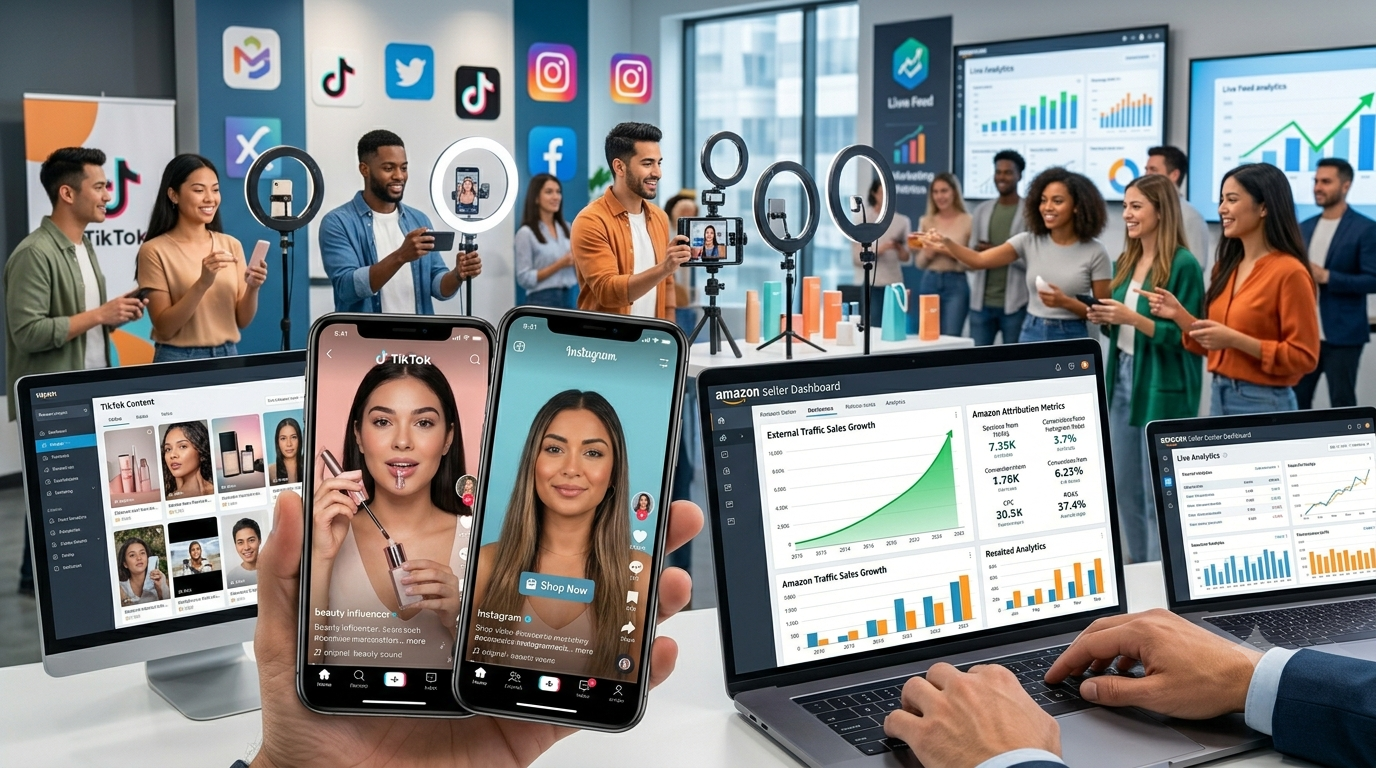
seeding campaigns, and user-generated content. At the same time, tools like Amazon Attribution
allow brands to track the performance of their external marketing efforts and measure their impact on sales.
In this article, we'll explore how sellers are using TikTok and Instagram to drive Amazon External Traffic and why this strategy is becoming a key growth driver in 2026.
What Is Amazon External Traffic and Why Does It Matter?
Amazon External Traffic refers to visitors who reach an Amazon product listing from sources outside Amazon's marketplace. Instead of discovering products through Amazon search results, sponsored ads, or category browsing, these shoppers come from platforms such as TikTok, Instagram, YouTube, blogs, email campaigns, and search engines.
As competition on Amazon continues to increase, external traffic has become an important strategy for sellers looking to grow sales and build sustainable brands.
Understanding Amazon External Traffic
Amazon External Traffic includes any traffic source that directs potential customers to an Amazon
listing from outside the platform. Examples include social media posts, influencer recommendations, blog articles, email marketing campaigns, and Google search results.
The main difference between internal and external traffic is where the customer journey begins. Internal traffic originates within Amazon through keyword searches and sponsored advertisements, while external traffic starts on third-party platforms before leading shoppers to Amazon.
Why Amazon Sellers Need External Traffic
The Amazon marketplace is more competitive than ever in 2026. Thousands of new sellers enter the platform every year, making it increasingly difficult to stand out through organic rankings alone. At
the same time, Amazon PPC costs continue to rise across many product categories, reducing profit margins for sellers.
External traffic helps brands diversify their customer acquisition strategy while increasing awareness outside Amazon. Instead of depending solely on Amazon's ecosystem, sellers can reach new audiences where they already spend their time online.
How External Traffic Supports Amazon Growth
A strong external traffic strategy creates additional opportunities to generate sales and attract new customers. More visitors can lead to higher conversion volume, increased product visibility, and
stronger brand recognition.
By consistently driving traffic from platforms like TikTok and Instagram, sellers can expand their reach, build trust with consumers, and create a stronger brand presence that extends beyond Amazon's marketplace.
Why TikTok Has Become a Powerful Amazon Sales Channel
TikTok has evolved from an entertainment platform into one of the most influential product discovery channels in 2026. Millions of users now turn to TikTok not only for content and entertainment but also to discover new products, read reviews, and find purchasing
recommendations. For Amazon sellers, this creates a valuable opportunity to generate high-quality external traffic and drive sales.
The Rise of Product Discovery on TikTok
Consumer buying behavior has shifted significantly over the past few years. Instead of searching directly on Amazon or Google, many shoppers first encounter products through TikTok videos. Trending hashtags, creator recommendations, and authentic product reviews often influence purchasing decisions before customers begin actively shopping.
Viral product recommendations have become particularly powerful. A single video can generate thousands—or even millions—of views within days, creating sudden spikes in demand for featured products. This phenomenon has helped countless Amazon brands gain visibility and accelerate sales growth.
TikTok Content That Drives Amazon Sales
Several content formats consistently perform well for Amazon sellers on TikTok. Product
demonstration videos show how a product works and highlight its key features in a simple, engaging way. Problem-solution content identifies a common challenge and presents the product as the
answer, making it highly relatable for viewers.
Before-and-after videos are especially effective for beauty, home improvement, fitness, and cleaning products because they visually demonstrate results. User-generated content (UGC) also plays a major role by providing authentic experiences from real customers, helping build trust and credibility.
Benefits of Using TikTok for Amazon External Traffic
One of TikTok's biggest advantages is its ability to generate massive organic reach, even for smaller brands with limited marketing budgets. The platform's algorithm prioritizes engaging content over follower count, giving sellers the opportunity to reach large audiences quickly.
TikTok also delivers high engagement rates compared to many other social platforms. Combined with its fast-moving content ecosystem, this allows brands to create product awareness rapidly, attract new customers, and drive significant Amazon External Traffic that can translate into increased sales and stronger marketplace performance.
How Instagram Helps Drive Amazon External Traffic
Instagram remains one of the most effective social commerce platforms for Amazon sellers in 2026. Its visual-first approach allows brands to showcase products in a way that feels natural, engaging, and trustworthy. By combining high-quality content with strategic calls to action, sellers can drive
significant Amazon External Traffic and influence purchasing decisions.
Instagram's Role in Social Commerce
Instagram's visual nature makes it ideal for product discovery. Consumers can see products being used in real-life situations, helping them better understand features, benefits, and overall value. Unlike traditional advertisements, lifestyle-focused content creates a more authentic connection with potential customers.
Creators and brands use photos, videos, and personal experiences to build trust with their audiences. This trust often translates into higher engagement and stronger purchase intent, making Instagram a valuable channel for Amazon sellers seeking long-term growth.
Best Instagram Formats for Amazon Sellers
Several Instagram content formats are particularly effective for driving traffic and sales. Reels offer strong organic reach and are excellent for product demonstrations, tutorials, and trend-based content. Stories provide opportunities for quick promotions, product updates, and direct links to Amazon listings.
Carousels allow sellers to showcase multiple product features, benefits, or use cases within a single post. Live videos help brands interact with audiences in real time, answer questions, and
demonstrate products while building credibility.
Turning Instagram Engagement Into Amazon Sales
Successful sellers focus on converting engagement into action. Link-in-bio strategies make it easy for followers to access product pages through a single destination link. Story links provide a seamless path from content discovery to purchase.
Product-focused content that highlights benefits, solves customer problems, and demonstrates real-world usage encourages users to take the next step. When combined with consistent posting and
creator partnerships, Instagram can become a reliable source of Amazon External Traffic and sales growth.
Creator Collaborations: The Growth Strategy Winning in 2026
As consumers become more selective about the content they trust, creator collaborations have emerged as one of the most effective ways for Amazon brands to generate external traffic and increase sales. Rather than relying solely on traditional advertising, sellers are partnering with content creators who can introduce products to highly engaged audiences in an authentic way.
What Are Creator Collaborations?
Creator collaborations involve partnerships between brands and content creators who produce content for platforms like TikTok, Instagram, YouTube, and other social channels. Unlike traditional influencers, who often focus primarily on promoting products, creators are known for producing
engaging, entertaining, or educational content that resonates with their audience.
Because their followers are invested in their content rather than just their recommendations, creators often generate stronger engagement and trust.
Why Creator Partnerships Work
Creator partnerships are effective because they feel authentic. Instead of presenting products
through traditional advertisements, creators incorporate them naturally into their content. These genuine recommendations help build credibility and encourage audiences to consider the product.
Audience trust plays a major role in purchasing decisions. When followers see products being used and recommended by creators they regularly engage with, they are more likely to click through and purchase. This often results in higher engagement rates and better conversion potential compared to standard ads.
How to Choose the Right Creators
Successful collaborations start with selecting creators whose audience aligns with the product's
target market. Sellers should evaluate audience relevance, engagement metrics, and content quality rather than focusing solely on follower count.
Creators with highly engaged niche audiences often deliver better results than larger accounts with lower engagement.
Successful Creator Collaboration Models
Brands use several collaboration models to drive Amazon sales. Sponsored content involves paying creators to feature products in their posts or videos. Affiliate partnerships reward creators with commissions for sales they generate. Brand ambassador programs create long-term relationships where creators consistently promote products and help build ongoing brand awareness and customer trust.
Influencer Seeding: A Cost-Effective Way to Generate Content
Influencer seeding has become a popular strategy for Amazon sellers looking to increase brand awareness and generate Amazon External Traffic without investing heavily in paid sponsorships. By sending products to carefully selected creators, brands can encourage authentic product exposure while building a library of valuable content for future marketing efforts.
What Is Influencer Seeding?
Influencer seeding involves providing free products to creators in exchange for the opportunity to try and potentially feature them in their content. Unlike traditional influencer marketing campaigns,
there is usually no guaranteed payment or posting requirement. Instead, brands rely on the creator's genuine interest in the product to generate authentic recommendations and reviews.
Benefits of Influencer Seeding
One of the biggest advantages of influencer seeding is authentic product exposure. Since creators are not obligated to promote the product, any content they share often feels more trustworthy to their audience.
The strategy is also highly cost-effective. Brands can reach multiple creators for the cost of product samples rather than paying expensive sponsorship fees. Additionally, influencer seeding often
generates valuable user-generated content (UGC) that can be repurposed across social media, advertising campaigns, and product marketing materials.
How to Build an Effective Seeding Campaign
A successful seeding campaign starts with identifying creators whose audience aligns with the brand's target customers. Personalized outreach messages typically achieve better response rates than generic mass emails.
Brands should also focus on creating a positive unboxing experience through thoughtful packaging and product presentation, increasing the likelihood that creators will share their experience with followers.
Common Mistakes to Avoid
Many sellers make the mistake of selecting creators based solely on follower count. Audience
relevance and engagement are often more important than reach alone. Poor targeting can result in low-quality traffic and weak campaign performance.
Another common error is failing to follow up with creators after products are delivered. Building relationships and maintaining communication can significantly improve the long-term success of influencer seeding efforts.
Measuring Success With Amazon Attribution
Driving external traffic is only valuable if sellers can measure its impact on Amazon sales. This is where Amazon Attribution becomes an essential tool. By tracking customer actions from external
marketing channels, sellers can understand which campaigns, creators, and platforms are generating the best results.
What Is Amazon Attribution?
Amazon Attribution is a free measurement and analytics tool that helps sellers track how non-
Amazon marketing efforts contribute to product discovery and sales on Amazon. The platform provides unique tracking links that can be used across channels such as TikTok, Instagram, YouTube, blogs, email campaigns, and paid advertisements.
For sellers investing in external traffic strategies, Amazon Attribution offers valuable insights into customer behavior and campaign performance. Instead of relying on assumptions, brands can use real data to determine which marketing activities are driving revenue.
Key Metrics to Track
Amazon Attribution provides several important performance metrics. Clicks show how many users visited a product listing from an external source. Detail page views indicate how many shoppers explored the product page after clicking.
Sellers can also track add-to-cart actions, helping them understand purchase intent. Most
importantly, the platform measures purchases generated through attribution links, allowing brands to calculate the effectiveness of their campaigns. These insights make it easier to evaluate return on investment (ROI) and allocate marketing budgets more effectively.
Using Attribution Data to Improve Campaigns
One of the biggest advantages of Amazon Attribution is the ability to identify top-performing creators and content strategies. Sellers can see which influencer partnerships generate the most engagement and sales.
The data also helps compare performance across platforms such as TikTok and Instagram, revealing where audiences are most likely to convert. By analyzing these insights, brands can refine their
targeting, improve content strategies, increase marketing efficiency, and make smarter decisions for future Amazon External Traffic campaigns.
Building an Amazon External Traffic Strategy for 2026
Successfully driving Amazon External Traffic requires more than simply posting on social media.
Sellers need a structured strategy that combines optimized listings, engaging content, creator partnerships, and performance tracking. By following a systematic approach, brands can increase sales while maximizing the return on their marketing investments.
Step 1: Optimize Your Amazon Listings
Before sending external traffic to Amazon, ensure your product listings are fully optimized for
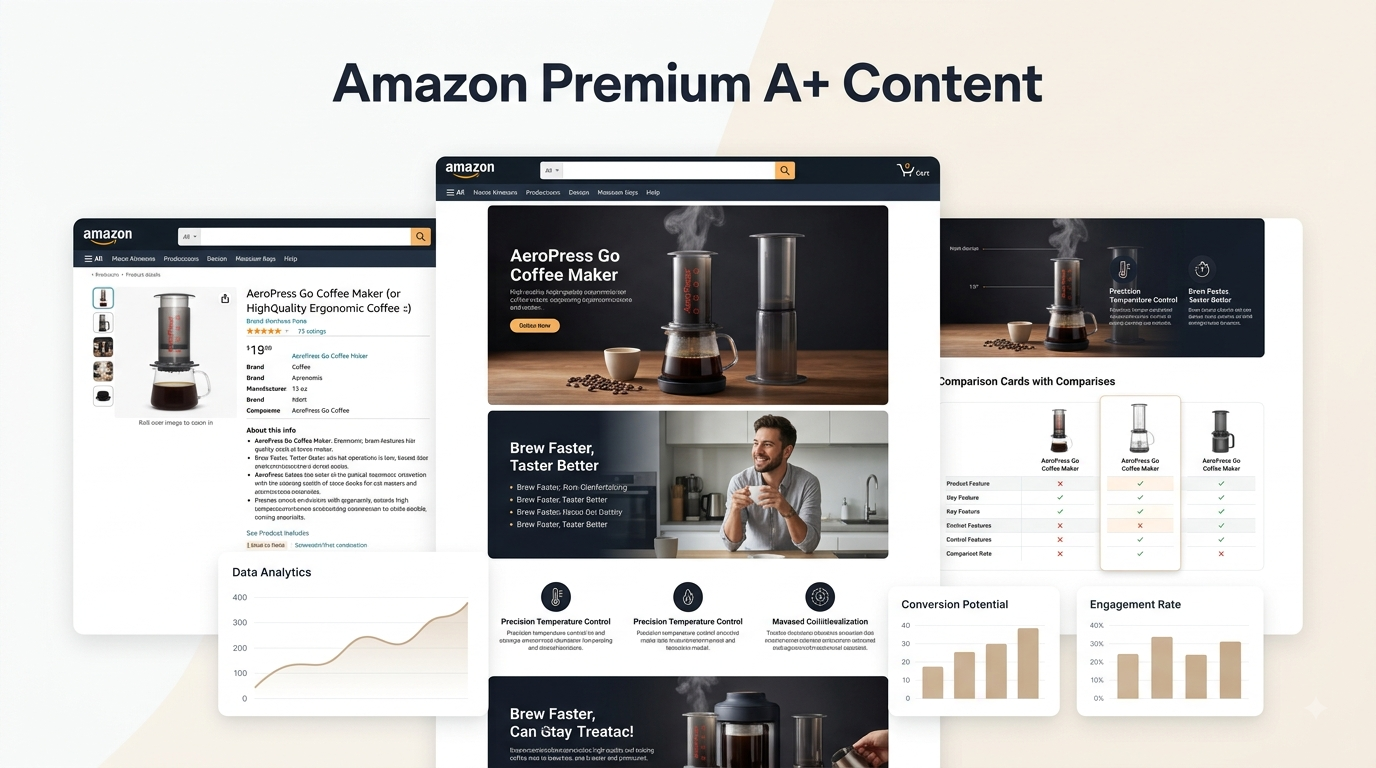
conversions. High-quality images should clearly showcase product features and benefits. A+ Content can enhance the customer experience by providing detailed product information and strengthening brand credibility.
Additionally, conversion-focused copy should address customer pain points, highlight key benefits, and answer common questions. The better the listing experience, the more likely visitors are to
become buyers.
Step 2: Create Social-First Content
Content should be tailored to each platform rather than reused across channels without
modification. TikTok thrives on short, engaging videos, while Instagram performs well with Reels, Stories, carousels, and lifestyle-focused content.
Maintaining a consistent posting schedule helps brands stay visible, build audience engagement, and generate a steady flow of traffic to Amazon listings.
Step 3: Launch Creator and Influencer Campaigns
Start by testing collaborations with multiple creators to identify which audiences and content styles deliver the best results. Small-scale campaigns can provide valuable insights before larger
investments are made.
Once top-performing creators are identified, brands can expand partnerships through sponsored content, affiliate programs, or long-term ambassador relationships.
Step 4: Track Results Using Amazon Attribution
Amazon Attribution enables sellers to measure traffic, engagement, and sales generated from
external campaigns. Using data rather than assumptions helps marketers make informed decisions and improve campaign performance over time.
Step 5: Scale What Works
The most successful brands continuously analyze results and reinvest in their highest-performing channels, creators, and content formats. By focusing resources on proven strategies, sellers can increase efficiency, drive more Amazon External Traffic, and create sustainable growth throughout 2026 and beyond.
Common Amazon External Traffic Mistakes Sellers Make
While Amazon External Traffic can be a powerful growth strategy, many sellers fail to achieve results because of avoidable mistakes. Understanding these challenges can help brands build more effective campaigns and maximize their return on investment.
Focusing Only on Follower Count
One of the most common mistakes is selecting creators based solely on audience size. A creator with a smaller but highly engaged audience often generates better results than one with a large following and low engagement.
Ignoring Amazon Listing Optimization
Driving traffic to a poorly optimized Amazon listing can waste marketing efforts. Even if social
campaigns generate clicks, weak images, limited product information, or ineffective copy can reduce conversions and sales.
Not Tracking Performance
Without proper tracking, sellers cannot determine which creators, platforms, or campaigns are producing results. Tools like Amazon Attribution provide valuable insights that help marketers make data-driven decisions.
Using the Same Content Across Platforms
TikTok and Instagram audiences consume content differently. Simply reposting the same content everywhere may reduce engagement. Brands should tailor content to the strengths and user behavior of each platform.
Expecting Immediate Results
Building a successful external traffic strategy takes time. Consistent content creation, creator partnerships, testing, and optimization are necessary to generate sustainable traffic, improve brand visibility, and achieve long-term Amazon sales growth.
The Future of Amazon External Traffic
Amazon External Traffic is expected to become even more important as social commerce continues to reshape how consumers discover and purchase products. Instead of relying solely on marketplace searches, shoppers are increasingly finding products through social media platforms, creator content, and personalized recommendations.
The Rise of Social Commerce
Social platforms are becoming shopping destinations where users can discover, evaluate, and purchase products more seamlessly than ever before. This trend is driving more traffic from social media directly to Amazon listings.
Creator-Led Purchasing Decisions
Creators are playing a larger role in influencing buying behavior. Consumers often trust
recommendations from creators they follow more than traditional advertisements, making creator partnerships a key component of future marketing strategies.
AI-Powered Influencer Discovery
Brands are increasingly using AI tools to identify creators whose audiences closely match their target customers. This improves campaign efficiency and helps sellers find high-performing partnerships faster.
Better Attribution and Measurement Tools
As tracking technology improves, sellers will gain deeper insights into customer journeys, campaign performance, and return on investment, allowing for smarter marketing decisions.
Why External Traffic Will Continue to Grow
With growing competition on Amazon and evolving consumer behavior, external traffic will remain a critical strategy for brands seeking sustainable growth, stronger customer acquisition, and increased marketplace visibility.
Conclusion
Amazon External Traffic has become a vital growth strategy for sellers looking to stay competitive in 2026. As advertising costs rise and competition intensifies, brands can no longer depend solely on Amazon PPC and organic marketplace traffic to drive sales.
Platforms like TikTok and Instagram provide powerful opportunities to reach new audiences,
generate product awareness, and influence purchasing decisions. Through creator collaborations and influencer seeding, sellers can build trust, create authentic content, and drive highly engaged
shoppers to their Amazon listings.
Equally important, Amazon Attribution enables brands to measure the impact of their external marketing efforts. By tracking clicks, engagement, and purchases, sellers can identify successful campaigns and optimize future investments.
The most successful Amazon brands are combining optimized listings, social-first content, creator partnerships, and data-driven decision-making into a unified strategy. Sellers who invest in Amazon External Traffic today will be better positioned to increase sales, strengthen brand visibility, and achieve long-term growth in an increasingly competitive ecommerce landscape.