How Amazon Sellers Are Protecting Margins During Inflation
Pricing, Bundling, and Sourcing Strategies That Work in 2026
Introduction
Inflation continues to create major challenges for Amazon sellers in 2026. Rising operational costs are putting pressure on businesses across nearly every category, making it increasingly difficult to maintain healthy profit margins while staying competitive in the marketplace.
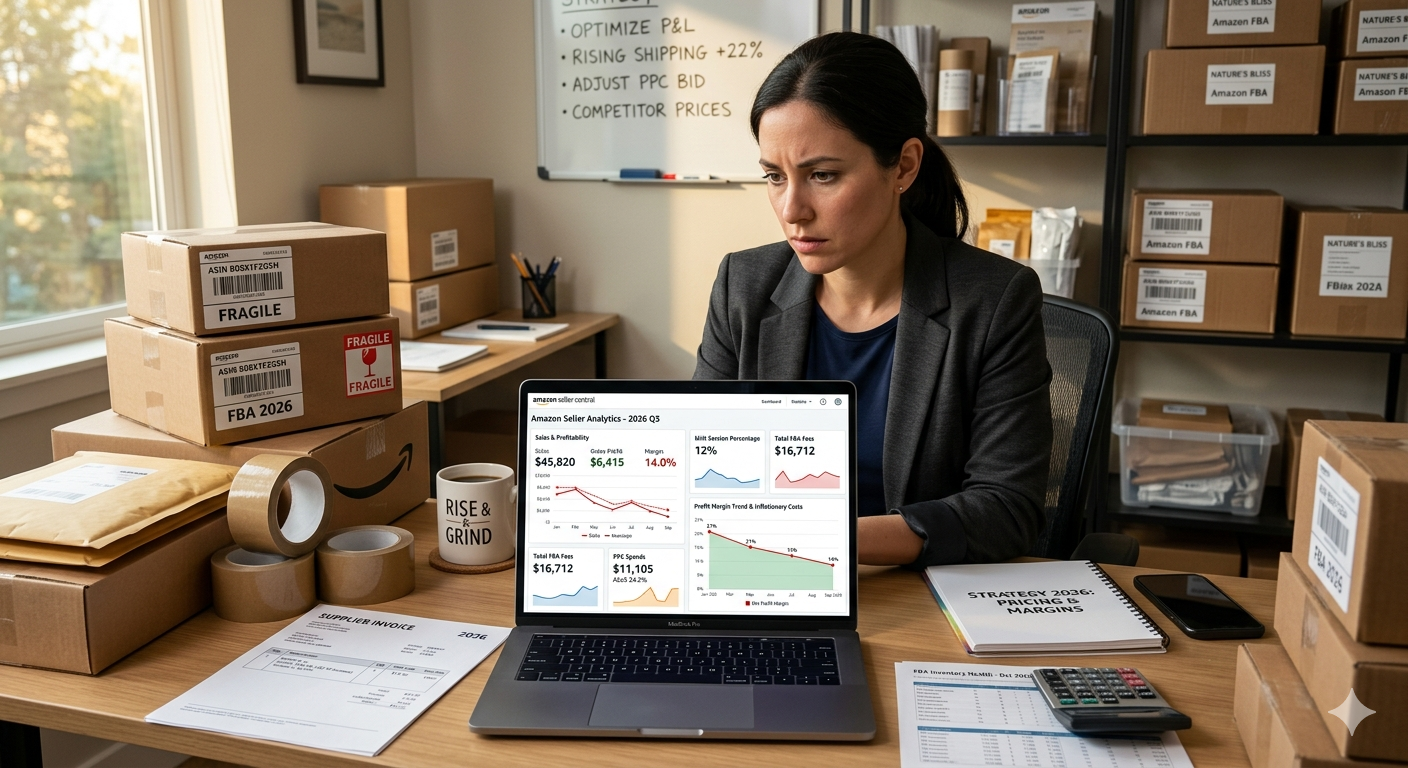
For many sellers, the cost increases are happening from multiple directions at the same time. Manufacturing expenses continue rising due to higher raw material and labor costs. Shipping and freight prices remain unpredictable, especially for international sellers managing overseas inventory. Packaging materials have become more expensive, while PPC advertising costs continue increasing as competition on Amazon grows stronger every year. On top of that, many sellers are also dealing with higher Amazon FBA fees and storage costs that directly impact overall profitability.
As a result, many Amazon businesses are struggling to protect their margins without negatively affecting customer demand or sales performance.
However, successful brands are adapting instead of simply accepting shrinking profits. Smart sellers are using better pricing strategies, creating profitable product bundles, optimizing packaging costs, and negotiating more effectively with suppliers to maintain stronger margins during inflationary periods.
In this guide, we’ll explore the practical strategies Amazon sellers are using in 2026 to stay profitable, improve operational efficiency, and build stronger businesses despite rising costs.
Why Inflation Is Pressuring Amazon Sellers in 2026
Rising Costs Across the Supply Chain
Inflation continues to impact nearly every stage of the Amazon supply chain in 2026. Sellers are facing higher raw material prices, increased manufacturing expenses, and rising operational costs that directly affect product profitability.
Many suppliers are charging more due to increased labor costs and higher production expenses globally. At the same time, freight and logistics costs remain unpredictable, especially for sellers importing products internationally. Shipping containers, fuel prices, warehousing, and domestic transportation have all become more expensive compared to previous years.
Packaging materials are also contributing to margin pressure. Even small increases in packaging costs can significantly affect profitability when sellers operate at large order volumes.
As costs rise across multiple areas simultaneously, maintaining healthy margins has become much more difficult for Amazon businesses.
Amazon Fees and Advertising Costs Are Increasing
Amazon sellers are also dealing with increasing marketplace expenses inside the platform itself. PPC advertising has become far more competitive as more brands compete for visibility in crowded categories. Higher CPC costs are making customer acquisition more expensive, especially during major sales events and seasonal periods.
In addition, Amazon FBA storage fees, fulfillment fees, and operational charges continue impacting seller profitability. Businesses with inefficient inventory management often experience even greater pressure from long-term storage costs and excess inventory fees.
For many sellers, these rising platform costs are reducing profits even when overall revenue continues growing.
Why Profit Margins Matter More Than Revenue
One of the biggest mistakes sellers make during inflationary periods is focusing only on increasing sales revenue while ignoring actual profitability. High sales numbers may look impressive, but weak margins can create serious long-term financial problems.
Sustainable growth depends on healthy profit margins, stable cash flow, and operational efficiency. Smart Amazon sellers are now prioritizing profitability over vanity metrics and focusing on building businesses that can remain strong even during periods of economic pressure.
Smarter Pricing Strategies That Protect Margins
Avoid Competing Only on Low Prices
One of the biggest mistakes Amazon sellers make during inflation is competing only on price. Constant price wars may increase short-term sales, but they often destroy long-term profitability. When sellers continuously lower prices to beat competitors, profit margins shrink quickly while operational costs continue rising.
Smart brands focus on competing through value instead of simply being the cheapest option in the market. Customers are often willing to pay slightly higher prices for products that appear more reliable, better branded, or offer a stronger overall experience.
Instead of racing to the bottom, successful sellers position their products around quality, trust, convenience, and customer satisfaction.
Gradually Adjust Pricing
Many sellers hesitate to increase prices because they fear losing customers. However, small and gradual price adjustments often go unnoticed, especially when inflation affects the entire marketplace.
Rather than making sudden large increases, smart sellers slowly optimize pricing over time while carefully monitoring performance metrics. Tracking conversion rates, click-through rates, and sales velocity helps businesses understand how pricing changes impact customer behavior.
In many cases, a small price increase can significantly improve profitability without causing major drops in sales volume.
Use Dynamic Pricing Carefully
Dynamic pricing strategies can help sellers stay competitive during changing market conditions. Adjusting prices based on demand, competitor activity, inventory levels, and seasonal trends allows businesses to respond more efficiently to market changes.
However, dynamic pricing should be used carefully. Constant aggressive discounting can train customers to wait for lower prices and reduce overall brand value. It may also create unstable profit margins that become difficult to sustain long term.
The goal should be strategic pricing optimization rather than continuous price cutting.
Improve Perceived Product Value
One of the best ways to protect margins is improving how customers perceive product value. Strong branding, professional product images, optimized A+ Content, and premium packaging can make products feel more valuable even at higher price points.
When products appear trustworthy and high quality, customers are often less sensitive to moderate price increases. Sellers who invest in brand presentation can usually maintain healthier margins while still remaining competitive in crowded Amazon marketplaces.
Product Bundling Strategies That Increase Profitability
Why Bundling Works During Inflation
Product bundling has become one of the most effective strategies Amazon sellers use to protect margins during inflation. Instead of selling products individually, brands combine related items into a single offer to increase profitability and improve customer value.
Bundling helps increase average order value, which allows sellers to generate more revenue from each customer transaction. This becomes especially important when rising advertising costs make customer acquisition more expensive.
Bundles can also reduce individual shipping, packaging, and fulfillment costs. Sending multiple products together often lowers the overall cost per item compared to shipping products separately. This helps sellers maintain stronger margins even when logistics and Amazon FBA fees continue increasing.
In addition, customers often perceive bundles as better deals, making them more attractive during periods of economic pressure.
Examples of Effective Product Bundles
Successful bundles usually combine products that naturally complement each other. Frequently bought together items often perform well because customers already expect to purchase them as a group.
For example, skincare brands may bundle cleansers, moisturizers, and serums together, while kitchen brands may combine cooking tools into starter kits. Seasonal bundles and gift-ready packages also perform strongly during holiday shopping periods.
Starter packs are especially effective for attracting first-time buyers because they simplify purchasing decisions and create a more complete customer experience.
Bundle Products to Reduce PPC Dependency
Bundling can also improve advertising efficiency. Since bundled products usually have higher cart values, sellers can generate more revenue from each conversion, helping offset rising PPC advertising costs.
This allows businesses to maintain healthier advertising margins even as CPC rates continue increasing on Amazon. Instead of relying entirely on low-cost clicks, sellers improve profitability through larger average order values.
Differentiate From Competitors
Unique product bundles help sellers stand out in crowded marketplaces. Instead of competing directly on identical single-product listings, bundled offers reduce direct price comparisons with competitors.
This creates more pricing flexibility and helps brands avoid aggressive price wars that damage profitability.
Common Bundle Mistakes to Avoid
While bundling can be highly effective, poor bundle strategy can create operational problems. One common mistake is combining unrelated products that do not provide clear customer value.
Overcomplicated bundle offers may also confuse buyers and reduce conversion rates. In addition, sellers must carefully manage inventory planning because bundle stockouts can affect multiple products at the same time if forecasting is inaccurate.
Reducing Packaging Costs Without Hurting Brand Quality
Packaging Costs Are Quietly Increasing
Many Amazon sellers underestimate how much packaging costs affect overall profitability. In 2026, rising material prices and inflation across the manufacturing industry have made packaging significantly more expensive than in previous years.
At the same time, increased dimensional weight shipping charges are creating additional pressure on sellers. Larger or heavier packages often result in higher freight costs and increased Amazon FBA fulfillment fees. Even small packaging inefficiencies can reduce margins when products are shipped in large volumes throughout the year.
Because packaging costs increase gradually, many businesses fail to notice how much these expenses impact profitability until margins become noticeably weaker.
Simplify Packaging Design
One of the most effective ways to reduce costs is simplifying packaging design without damaging product presentation. Many brands use oversized boxes, unnecessary inserts, or excessive packaging materials that add little value to the customer experience.
Reducing package dimensions can significantly lower shipping expenses and improve FBA fee efficiency. Compact packaging also helps optimize warehouse storage and transportation costs across the supply chain.
Smart sellers focus on functional packaging that protects the product while avoiding unnecessary complexity or waste.
Use Lightweight Materials
Using lightweight packaging materials is another effective strategy for lowering logistics costs. Lighter packages reduce shipping expenses, especially for businesses handling high inventory volumes or international freight.
Lower package weight can also improve Amazon fulfillment fee efficiency, helping sellers maintain stronger margins over time.
Modern lightweight materials often provide strong product protection without adding unnecessary bulk or extra shipping costs.
Maintain Premium Branding While Cutting Costs
Reducing packaging expenses does not mean sacrificing brand quality. Many successful brands are moving toward smart minimalist packaging that looks clean, professional, and premium without excessive spending.
Customers usually care more about product quality, fast delivery, and overall experience than expensive packaging extras. Sellers can maintain strong branding by focusing on thoughtful design, clear messaging, and a smooth customer experience instead of unnecessary decorative materials.
Sustainability Can Also Reduce Costs
Eco-friendly packaging strategies can sometimes reduce costs while improving brand perception. Using recyclable materials, smaller packaging sizes, and reduced material usage may lower production and shipping expenses at the same time.
As more consumers become environmentally conscious, sustainable packaging can also strengthen customer trust and support long-term brand growth.
Supplier Negotiation Strategies Smart Sellers Are Using
Why Supplier Relationships Matter More During Inflation9
During inflationary periods, supplier relationships become far more important for Amazon sellers. Rising manufacturing costs, shipping disruptions, and global economic uncertainty can quickly impact product profitability if businesses do not have stable supplier partnerships in place.
Reliable suppliers help sellers maintain better cost control and operational consistency during unpredictable market conditions. Strong relationships also improve communication, production flexibility, and problem-solving speed when unexpected issues arise.
Suppliers are generally more willing to support businesses they trust, especially during high-demand periods when factories become overloaded. Sellers who build professional long-term relationships often receive better service, production priority, and more favorable business terms compared to buyers who communicate only during emergencies.
Negotiate Beyond Product Price
One of the biggest mistakes sellers make is focusing only on lowering product costs during negotiations. Smart sellers understand that supplier negotiations involve much more than unit pricing alone.
Payment terms can significantly improve cash flow flexibility, especially during periods of rising inventory costs. Extended payment schedules or partial upfront payments help businesses manage capital more efficiently.
Sellers also negotiate shipping support, lower minimum order quantities (MOQs), and faster production timelines to improve operational flexibility. Smaller MOQ requirements reduce inventory risk, while faster production helps sellers react more quickly to changing demand trends.
Negotiating across multiple operational areas often creates better long-term value than simply pushing suppliers for lower prices.
Lock Pricing Agreements Early
Inflation can cause sudden increases in raw material and manufacturing costs. To reduce this risk, many sellers negotiate pricing agreements early before suppliers raise costs again later in the year.
Locking pricing for several months helps businesses forecast margins more accurately and avoid unexpected profit declines caused by supplier price changes during peak selling seasons.
Early agreements also provide more stability for inventory planning and long-term budgeting.
Diversify Suppliers to Reduce Risk
Relying entirely on a single supplier creates major operational risk during inflation and supply chain disruptions. Smart sellers often maintain backup suppliers to protect production continuity if problems occur with their primary manufacturer.
Supplier diversification reduces dependency and gives businesses more flexibility when facing delays, quality issues, or sudden price increases.
Build Long-Term Partnerships
Suppliers are far more likely to prioritize consistent and reliable buyers over short-term transactional customers. Brands that focus on long-term partnerships often receive better communication, stronger support, and improved negotiation opportunities over time.
Building trust with suppliers creates stability, which becomes a major competitive advantage during periods of rising costs and economic uncertainty.
Improving Operational Efficiency to Protect Margins
Reduce Inventory Waste
One of the fastest ways Amazon sellers lose profit margins is through inefficient inventory management. Overstocking slow-moving products ties up cash flow, increases Amazon storage fees, and creates unnecessary operational pressure.
During inflationary periods, holding excess inventory becomes even more expensive because storage, fulfillment, and capital costs continue rising. Smart sellers focus on maintaining balanced inventory levels based on realistic demand forecasting instead of overordering products that may not sell quickly.
Reducing inventory waste helps businesses operate leaner while protecting profitability during uncertain market conditions.
Improve Forecasting Accuracy
Better forecasting is one of the most important operational advantages sellers can develop in 2026. Accurate demand forecasting allows businesses to plan inventory purchases more effectively, reduce stockouts, and avoid costly overstock situations.
Sellers should regularly analyze historical sales trends, seasonal demand patterns, advertising performance, and market changes to improve forecasting accuracy. Businesses that understand customer demand more clearly are usually able to manage cash flow and inventory more efficiently.
Improved forecasting also helps sellers make faster operational decisions when market conditions shift unexpectedly.
Optimize PPC Campaigns
PPC advertising remains one of the largest expenses for Amazon sellers, making campaign optimization extremely important for protecting margins.
Smart sellers regularly review advertising data to identify unprofitable keywords, weak-performing campaigns, and unnecessary ad spending. Cutting low-converting keywords helps reduce wasted budget while improving overall advertising efficiency.
At the same time, focusing budget allocation on high-converting campaigns allows sellers to generate stronger returns from their advertising investment.
Monitor Profit Margins Regularly
Many sellers focus heavily on sales growth while failing to monitor actual profitability consistently. Tracking profit margins regularly helps businesses identify problems early before they become serious financial issues.
Using profit tracking tools and analyzing SKU-level profitability allows sellers to understand which products generate healthy margins and which products may be reducing overall business performance. Continuous monitoring helps businesses make smarter operational and pricing decisions throughout the year.
Building a Stronger Brand Instead of Competing on Price
Brands With Loyal Customers Handle Inflation Better
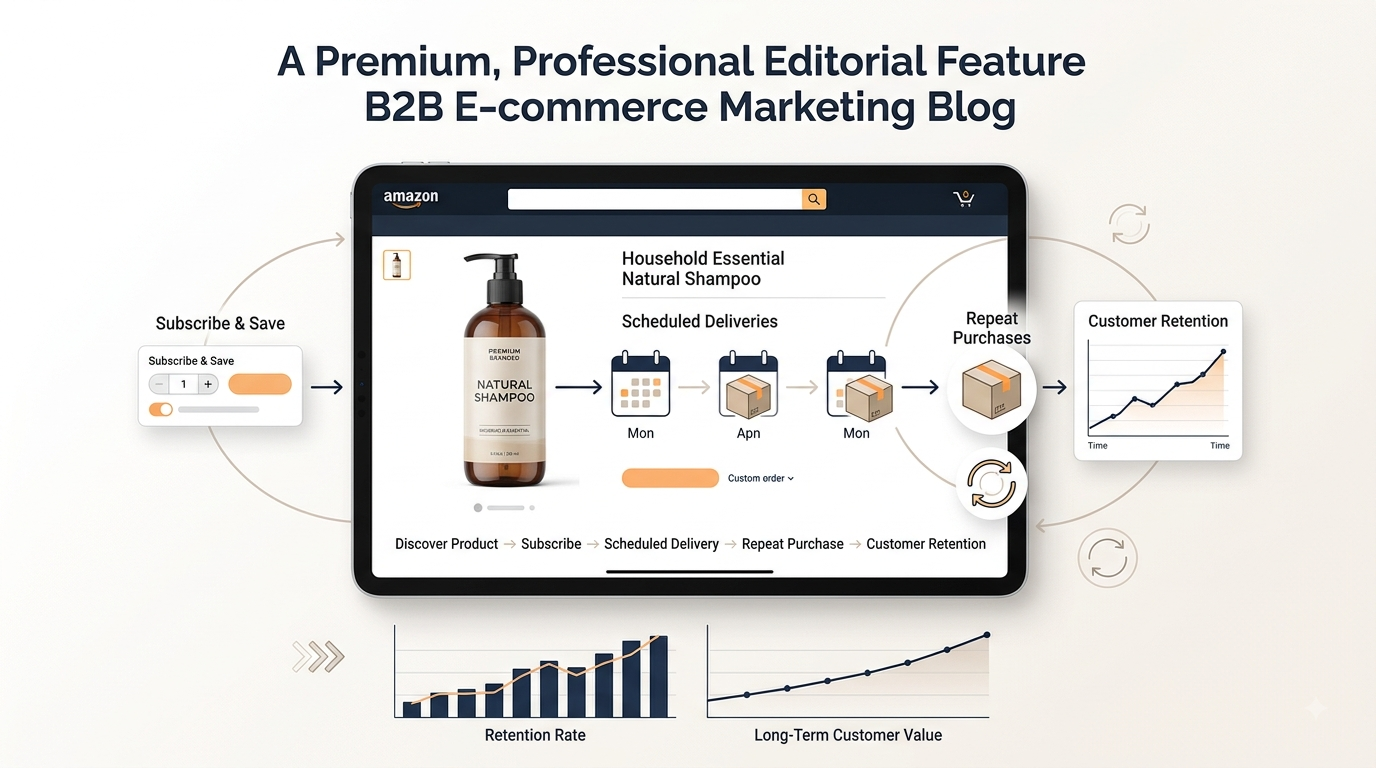
During inflationary periods, brands with loyal customers are usually in a much stronger position than sellers competing only on low prices. Repeat buyers help businesses reduce customer acquisition costs and create more stable long-term revenue.
When customers trust a brand, they are often less sensitive to moderate price increases. This allows businesses to maintain healthier profit margins without constantly entering aggressive price wars with competitors.
Strong customer loyalty also improves retention, increases repeat purchases, and supports sustainable growth even when marketplace competition becomes more intense.
Invest in Brand Identity
Building a recognizable brand identity is one of the best ways to protect margins on Amazon. Sellers who invest in packaging, storytelling, and social proof create stronger emotional connections with customers.
Professional branding helps products appear more premium and trustworthy, which increases perceived value in the customer’s mind. Clear messaging, consistent visuals, and authentic brand positioning can make products stand out even in highly competitive categories.
Social proof through reviews, user-generated content, and customer testimonials also strengthens buying confidence and improves overall conversion rates.
Focus on Customer Experience
Customer experience plays a major role in long-term profitability. Better reviews and positive customer interactions improve organic rankings and conversion rates, helping sellers generate stronger results without relying entirely on heavy discounting.
Fast shipping, quality products, responsive customer service, and consistent branding all contribute to customer trust. Brands that deliver reliable experiences are often able to support premium pricing more effectively.
Off-Amazon Brand Presence Matters
Smart Amazon sellers are also building audiences outside the marketplace. Email lists, Shopify stores, and social media communities help brands reduce dependency on Amazon traffic alone.
An off-Amazon presence creates stronger customer relationships and gives businesses more control over marketing, retention, and long-term growth strategies during uncertain economic conditions.
Conclusion
Inflation continues to create serious challenges for Amazon sellers in 2026, but businesses that adapt strategically are still finding ways to protect their margins and grow profitably. Rising manufacturing costs, shipping expenses, advertising competition, and Amazon fees are putting pressure on sellers across nearly every category. However, successful brands are responding with smarter operational decisions instead of relying only on aggressive sales growth.
Sellers are protecting profitability through better pricing strategies, profitable product bundling, packaging optimization, and stronger supplier negotiations. Rather than competing solely on low prices, smart brands are focusing on customer value, operational efficiency, and long-term sustainability.
Improving forecasting accuracy, reducing unnecessary costs, optimizing PPC campaigns, and building stronger supplier relationships all help businesses maintain healthier margins during uncertain economic conditions. At the same time, investing in branding and customer experience allows sellers to create loyalty and reduce dependence on constant discounting.
In today’s competitive Amazon marketplace, long-term profitability matters far more than short-term revenue spikes. Businesses that operate efficiently and deliver consistent customer value are far more likely to survive and scale successfully despite inflationary pressure.
Amazon sellers who adapt early to rising costs are the ones most likely to stay profitable and grow stronger in an inflation-driven market.