CBP Holds Are Rising: How Importers Can Reduce Customs Delays, Compliance Risks, and Unexpected Costs in 2026
Introduction
Importers are facing increased customs scrutiny in 2026 as U.S. Customs and Border Protection (CBP) continues to strengthen enforcement efforts across a wide range of product categories. From
country-of-origin verification and trade compliance reviews to documentation audits and supply chain investigations, more shipments are being flagged for inspection than in previous years. As a
result, many businesses are experiencing unexpected CBP Holds that can delay cargo movement and disrupt inventory planning.
For importers, Amazon sellers, and ecommerce brands that depend on predictable supply chains, customs delays can create significant operational challenges. A shipment held at the port may lead to stockouts, missed sales opportunities, increased storage charges, demurrage fees, and higher logistics costs. Even minor documentation errors or compliance gaps can trigger lengthy reviews that affect product availability and profitability.
The growing enforcement environment makes proactive compliance more important than ever.
Importers must ensure that commercial invoices, country-of-origin declarations, product
classifications, and shipping documentation are accurate before goods arrive at the border.
In this guide, we'll examine why CBP Holds are increasing in 2026, the most common reasons
shipments are detained, the hidden costs associated with customs delays, and practical compliance and risk mitigation strategies businesses can use to keep cargo moving efficiently.
Understanding CBP Holds and Why They Matter
CBP Holds have become a growing concern for importers in 2026 as customs enforcement efforts continue to increase. A hold can interrupt supply chains, delay inventory replenishment, and create unexpected costs that affect profitability. Understanding how these holds work is essential for businesses that rely on international trade and timely product delivery.
What Is a CBP Hold?
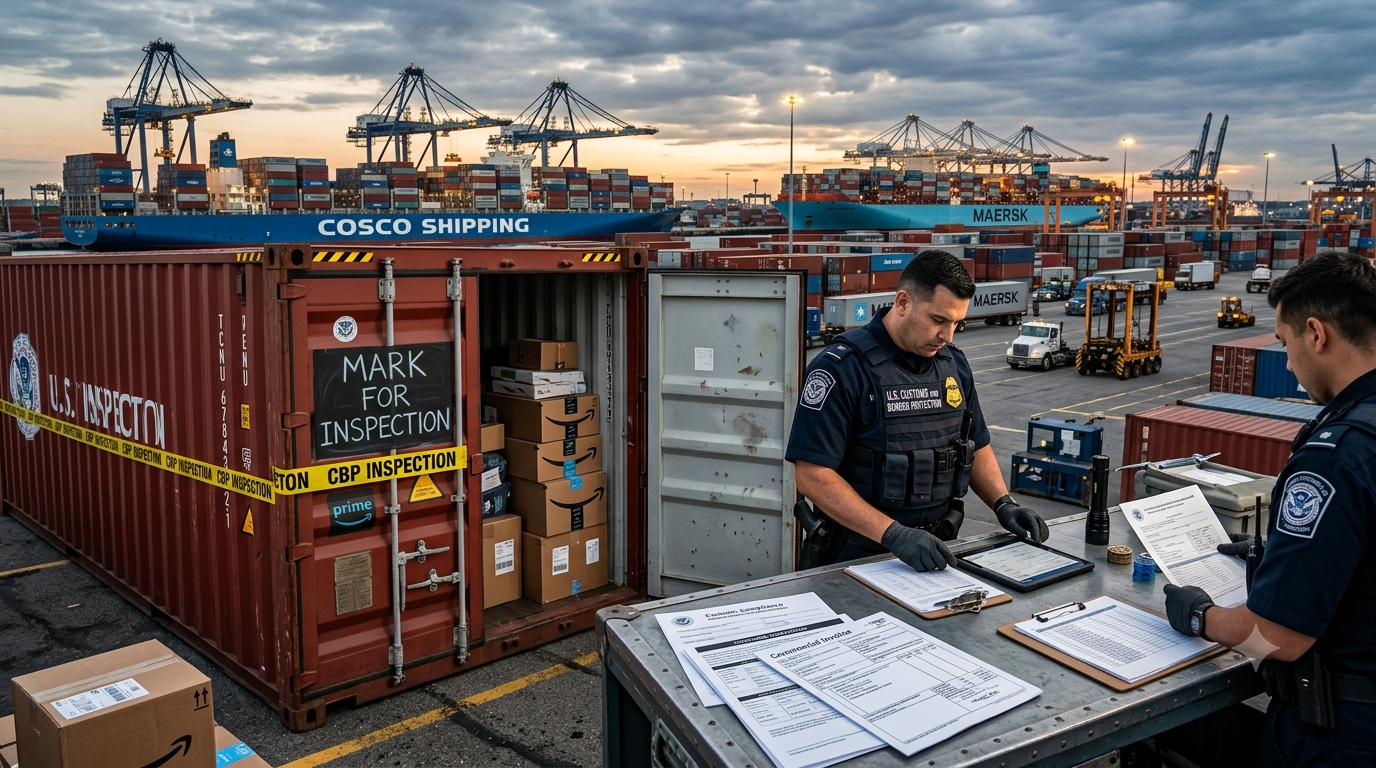
A CBP Hold occurs when U.S. Customs and Border Protection temporarily detains a shipment for further review before allowing it to enter the United States. During this process, CBP may request additional information, verify documentation, inspect cargo, or investigate compliance concerns.
The review process can vary depending on the reason for the hold. Some cases are resolved quickly through documentation verification, while others require physical inspections or extensive
compliance reviews that may take days or even weeks to complete.
Common Types of CBP Holds
There are several types of customs holds that importers may encounter. Entry processing holds occur when CBP needs additional information before clearing a shipment. Documentation reviews are
triggered when customs officials identify missing, incomplete, or inconsistent paperwork.
Trade enforcement holds may be issued when shipments are suspected of violating import
regulations, tariff requirements, or trade restrictions. Country-of-origin investigations are increasingly common as CBP verifies manufacturing locations and examines whether products comply with
applicable trade laws and import requirements.
Why Holds Have Become More Frequent
Several factors are contributing to the rise in CBP Holds. Increased enforcement activity has led customs officials to conduct more detailed reviews of imported goods and supporting
documentation.
At the same time, growing concerns about supply chain transparency, forced labor regulations, tariff compliance, and product sourcing have prompted stricter oversight. New trade regulations and
evolving compliance requirements are also creating additional scrutiny for importers, making accurate documentation and proactive compliance practices more important than ever.
Why CBP Holds Are Increasing in 2026
Importers across multiple industries are experiencing a noticeable increase in CBP Holds in 2026. Customs authorities are placing greater emphasis on trade compliance, supply chain transparency, and documentation accuracy. As enforcement efforts continue to expand, shipments that may have passed through customs with minimal scrutiny in previous years are now receiving closer
examination.
Stronger Trade Enforcement
One of the primary reasons for the increase in CBP Holds is stronger trade enforcement. CBP has expanded its inspection and compliance verification activities to ensure imported goods meet all applicable regulations and trade requirements.
Customs officials are conducting more detailed reviews of shipment records, import declarations, and supporting documentation. These efforts are designed to identify potential violations before goods enter the U.S. market, resulting in a higher volume of inspections and shipment reviews.
Country-of-Origin Scrutiny
Country-of-origin verification has become a major enforcement priority. CBP is paying closer attention to where products are manufactured, assembled, and sourced to ensure compliance with trade regulations and tariff requirements.
Importers face increased risk when supplier information is incomplete or inaccurate. Even minor
discrepancies between documentation and actual production locations can trigger customs reviews and additional requests for supporting evidence.
Documentation Errors
Documentation mistakes remain one of the most common causes of customs delays. Missing
information, incomplete paperwork, inaccurate commercial invoices, and inconsistencies between shipping documents can all lead to CBP Holds.
Product classification errors are another frequent issue. Incorrect tariff classifications may result in additional scrutiny, duty adjustments, or requests for clarification before shipments can be released.
Increased Focus on Supply Chain Transparency
Supply chain transparency has become a critical area of enforcement. Customs authorities
increasingly expect importers to understand where products originate, how they are manufactured, and who participates in the supply chain.
Greater traceability requirements mean businesses must maintain accurate records and
documentation throughout the sourcing process. Importers are also expected to hold suppliers
accountable for compliance standards, making supplier verification and documentation management essential components of a successful import compliance strategy.
The Real Cost of Customs Holds
Many importers view customs delays as a temporary inconvenience, but the financial and
operational impact of CBP Holds can be far more significant. Beyond the immediate delay, detained shipments can trigger additional expenses, disrupt supply chains, and negatively affect customer satisfaction. As enforcement activity increases in 2026, understanding the true cost of customs holds is essential for managing risk and protecting profitability.
Direct Financial Costs
One of the most immediate consequences of a customs hold is the accumulation of direct expenses. Shipments detained at ports or terminals may incur storage fees while awaiting clearance. Importers can also face demurrage charges when containers remain at the port beyond the allotted free time.
Additional port expenses, inspection fees, and administrative costs may further increase the financial burden. Depending on the length of the delay, these charges can quickly add up and significantly
impact shipment profitability.
Supply Chain Disruptions
Customs holds can create ripple effects throughout the supply chain. Delayed inventory arrivals may disrupt replenishment schedules, manufacturing plans, and distribution operations.
Businesses that depend on just-in-time inventory management are particularly vulnerable. Even short delays can create inventory shortages that affect multiple stages of the supply chain and reduce operational flexibility.
Revenue and Sales Impact
For ecommerce businesses and Amazon sellers, customs delays often translate directly into lost revenue. When inventory does not arrive on time, products may go out of stock, causing Amazon stockouts and reduced sales velocity.
Customers who cannot purchase a product immediately may choose a competitor instead, resulting in lost sales opportunities that are difficult to recover once demand shifts elsewhere.
Long-Term Business Consequences
The effects of customs holds can extend beyond short-term financial losses. Delayed deliveries and inventory shortages may lead to customer dissatisfaction, negative experiences, and reduced trust in a brand.
Over time, recurring customs issues can decrease operational efficiency, increase management workload, and make supply chain planning more difficult. Businesses that proactively address compliance risks are often better positioned to avoid these long-term consequences and maintain stable growth.
Common Documentation Issues That Trigger CBP Holds
Documentation errors remain one of the leading causes of CBP Holds. Even when products comply with import regulations, incomplete, inaccurate, or inconsistent paperwork can trigger customs
reviews and delay shipment clearance. Importers that maintain strong documentation processes are far less likely to experience costly disruptions at the border.
Commercial Invoice Errors
The commercial invoice is one of the most important documents reviewed by customs officials.
Inaccurate product descriptions are a common problem because vague terms such as "accessories," "parts," or "consumer goods" do not provide enough information for proper classification and compliance verification.
Missing information can also create delays. Details such as product value, quantity, country of origin, manufacturer information, and buyer information must be complete and accurate. Any
inconsistencies between the commercial invoice and other shipping documents may result in additional scrutiny from CBP.
Country of Origin Discrepancies
Country-of-origin verification has become a major enforcement focus in recent years. CBP frequently reviews origin declarations to ensure products are accurately represented and comply with
applicable trade regulations.
Problems often arise when supplier documentation does not match information provided on import records or commercial invoices. Labeling errors can also trigger holds if product packaging, markings, or documentation contain conflicting origin information. These discrepancies may require importers to provide additional evidence before shipments are released.
Incorrect Product Classification
Product classification errors can significantly increase compliance risks. Importers are responsible for assigning the correct Harmonized Tariff Schedule (HTS) codes to imported products.
Incorrect classifications may result in improper duty calculations, regulatory violations, or customs reviews. In some cases, CBP may request supporting information to verify that the selected tariff code accurately reflects the product being imported.
Missing Supporting Documents
Certain products require additional documentation beyond standard shipping paperwork. Missing certificates, testing reports, compliance records, permits, or import documentation can delay customs clearance.
Products subject to safety regulations, product standards, or specialized import requirements are particularly vulnerable to documentation-related holds. Maintaining organized records and verifying documentation before shipment departure can significantly reduce the risk of customs delays and compliance issues.
Why DDP Shipments Face Higher Customs Risks
While Delivered Duty Paid (DDP) shipping can simplify international logistics for importers, it can also introduce additional customs compliance risks. Many businesses choose DDP because suppliers handle shipping, duties, and customs clearance. However, this convenience often comes at the cost of reduced visibility and control over the import process.
Understanding DDP Shipping
Delivered Duty Paid is an international shipping arrangement in which the seller assumes
responsibility for transporting goods, paying duties and taxes, and managing customs clearance until the shipment reaches the buyer's destination.
For importers, DDP can reduce administrative workload by shifting many logistics responsibilities to the supplier. However, the importer remains exposed to potential compliance issues if customs
documentation or shipment information is inaccurate.
Common Compliance Challenges
One of the most significant challenges associated with DDP shipments involves importer-of-record responsibilities. In some situations, importers may have limited visibility into how customs entries are filed, who is listed as the importer of record, or whether shipment information has been
accurately declared.
This lack of transparency can make it difficult to identify potential compliance issues before goods reach the border. Importers may only discover problems after a shipment is detained by CBP.
Risk Management Considerations
Effective risk management requires greater oversight of shipment documentation, even when suppliers manage customs processes. Importers should request copies of commercial invoices, customs declarations, country-of-origin documentation, and classification information before shipments are exported.
Strong supplier coordination is equally important. Maintaining clear communication regarding compliance requirements, product sourcing details, and documentation standards can help reduce the likelihood of CBP Holds and minimize customs-related disruptions throughout the supply chain.
Compliance as a Competitive Advantage
Many importers view compliance as a regulatory requirement, but in today's trade environment, it has become a competitive advantage. As CBP enforcement activity increases and customs reviews become more detailed, businesses with strong compliance programs are often able to move goods through customs more efficiently while avoiding costly disruptions.
Benefits of Proactive Compliance
A proactive compliance strategy can significantly reduce the likelihood of customs delays and
shipment detentions. When documentation is accurate, product classifications are properly assigned, and country-of-origin records are well maintained, shipments are less likely to trigger additional
reviews.
Faster customs clearance helps businesses maintain inventory availability, improve delivery timelines, and reduce logistics-related disruptions. Proactive compliance can also lower operational costs by minimizing storage fees, demurrage charges, inspection expenses, and administrative efforts associated with resolving customs issues.
Building a Compliance-First Supply Chain
Creating a compliance-first supply chain begins with supplier accountability. Regular supplier audits can help verify manufacturing locations, sourcing practices, and documentation procedures before products are shipped.
Strong documentation controls are equally important. Importers should establish standardized processes for reviewing commercial invoices, tariff classifications, certificates, testing reports, and country-of-origin records. Consistent documentation practices reduce the risk of errors that can
trigger CBP Holds and compliance investigations.
Creating Long-Term Operational Stability
Businesses that prioritize compliance often experience fewer customs disruptions over time. Reduced hold frequency leads to more predictable inventory planning, smoother logistics operations, and greater confidence in delivery schedules.
Improved predictability also supports better forecasting and customer service performance. Rather than reacting to unexpected customs issues, compliant importers can focus on growth, inventory management, and strategic supply chain improvements. In an increasingly regulated trade environment, investing in compliance is not just about avoiding penalties—it is about creating a stable foundation for long-term operational success.
Best Practices That Can Reduce CBP Holds
While no importer can completely eliminate the possibility of a customs review, many CBP Holds can be prevented through strong compliance procedures and proactive risk management. Businesses that prioritize documentation accuracy, supplier verification, and customs readiness are often better positioned to avoid delays and keep shipments moving efficiently.
Invest in Accurate Product Descriptions
Product descriptions play a critical role in customs clearance. Generic or vague descriptions can raise questions during the review process and may result in additional scrutiny. Importers should ensure product descriptions clearly identify the item, its intended use, materials, and relevant specifications. Accurate descriptions help customs officials classify products correctly and process entries more efficiently.
Verify Country of Origin Before Shipping
Country-of-origin verification has become a major enforcement priority. Importers should confirm manufacturing locations and sourcing information before goods leave the supplier's facility.
Supporting records should be maintained to demonstrate how origin determinations were made. Addressing discrepancies before shipment departure is far easier than resolving customs investigations after a shipment has been detained.
Maintain Complete Documentation
Missing or incomplete documentation is one of the most common causes of customs delays. Importers should maintain organized records that include commercial invoices, packing lists,
certificates, testing reports, permits, and any other documents required for import compliance. Having complete documentation readily available can significantly reduce clearance delays.
Review Commercial Invoices Carefully
Commercial invoices should be reviewed thoroughly before submission. Product descriptions, values, quantities, country-of-origin information, and buyer details should be consistent across all shipping documents. Even minor errors can trigger questions that delay customs processing.
Work With Experienced Customs Partners
Experienced customs brokers, freight forwarders, and compliance specialists can help identify potential risks before shipments arrive at the border. Their expertise can improve documentation quality, support proper product classification, and ensure compliance with changing import regulations.
Conduct Regular Compliance Audits
Routine compliance audits help businesses identify weaknesses in their import processes before they become costly problems. Reviewing supplier documentation, classification practices, origin records, and customs procedures on a regular basis can reduce the likelihood of future CBP Holds and
strengthen overall supply chain performance.
How Amazon Sellers Can Protect Inventory From Customs Delays
For Amazon sellers, customs delays can quickly lead to inventory shortages, stockouts, and lost sales.
Since CBP Holds are becoming more common in 2026, sellers must build inventory strategies that
account for potential disruptions in the import process. Proactive planning can help maintain product availability even when shipments encounter unexpected delays.
Inventory Planning Strategies
Effective inventory planning starts with understanding supplier lead times, shipping transit times, and customs clearance risks. Sellers should incorporate realistic buffer periods into their replenishment schedules rather than assuming every shipment will arrive on time. Planning ahead reduces the
likelihood that a customs delay will create inventory shortages.
Safety Stock Management
Maintaining safety stock is one of the most effective ways to protect against unexpected disruptions. Safety stock serves as a reserve inventory buffer that can absorb delays caused by customs reviews, transportation issues, or supplier disruptions.
The appropriate safety stock level depends on sales velocity, lead time variability, and the potential impact of stockouts on business performance.
Forecasting Around Import Delays
Inventory forecasting should account for possible customs processing delays, particularly during peak shipping seasons and periods of increased enforcement activity. Sellers who build customs-related
risks into their forecasting models are often better prepared to maintain consistent inventory availability.
Regularly reviewing inventory projections can help identify replenishment needs before products reach critical stock levels.
Multi-Warehouse Inventory Approaches
Diversifying inventory across multiple storage locations can reduce the impact of delayed shipments. By maintaining inventory in Amazon fulfillment centers, third-party warehouses, or regional distribution facilities, sellers create additional flexibility within their supply chain.
A multi-warehouse approach helps ensure products remain available for customers even if incoming inventory is delayed, reducing the risk of stockouts and protecting sales performance.
The Future of Customs Enforcement and Import Compliance
Customs enforcement is expected to become increasingly sophisticated as government agencies adopt new technologies and expand compliance oversight efforts. Importers should anticipate a more data-driven regulatory environment where documentation accuracy, supply chain visibility, and risk management play a larger role in customs clearance.
Increased Automation
Customs authorities are investing in automation tools that can process large volumes of shipment data more efficiently. Automated screening systems help identify potential compliance issues before goods are released, allowing enforcement agencies to focus resources on higher-risk shipments.
Data-Driven Enforcement
Advanced analytics and risk assessment models are enabling customs officials to make more informed decisions about which shipments require additional scrutiny. Importers can expect
increased use of data to detect inconsistencies, compliance gaps, and potential trade violations.
Greater Supply Chain Transparency Requirements
Supply chain transparency is becoming a major compliance priority. Importers will likely face growing expectations to document sourcing practices, manufacturing locations, and supplier relationships.
Maintaining accurate records throughout the supply chain will become increasingly important.
What Importers Should Expect Next
Businesses should prepare for stricter documentation standards, enhanced compliance reviews, and greater accountability for supplier practices. Companies that invest in compliance systems and supply chain visibility today will be better positioned to adapt to future regulatory changes.
Conclusion
CBP Holds are becoming more common as customs authorities increase enforcement efforts, strengthen compliance verification procedures, and place greater emphasis on supply chain
transparency. What was once an occasional disruption has become a significant operational risk for many importers and Amazon sellers in 2026.
The financial impact of customs delays extends far beyond shipment detention. Storage fees,
demurrage charges, inventory shortages, stockouts, and lost sales opportunities can quickly affect profitability and disrupt business operations. Even minor documentation errors can result in costly delays that ripple throughout the supply chain.
Accurate documentation, proper product classification, country-of-origin verification, and proactive compliance management are essential for reducing customs-related risks. Businesses that establish strong documentation controls and maintain close oversight of suppliers are often better equipped to avoid unnecessary holds and clearance delays.
The most effective strategy is prevention. By conducting regular compliance audits, working with experienced customs partners, maintaining complete import records, and planning inventory around potential delays, importers can improve supply chain reliability and reduce operational disruptions. For Amazon sellers and importers alike, a strong compliance program is no longer optional—it is a critical component of long-term business success in an increasingly regulated trade environment.