Amazon’s New Low-Inventory-Level Fee Changes in 2026: Why Sellers Are Suddenly Paying More — And How to Avoid the Penalty
Introduction
Inventory management has become one of the most important—and costly—challenges for Amazon sellers in 2026. As Amazon continues to optimize its fulfillment network, the company has introduced stricter inventory performance requirements designed to improve product availability and reduce
fulfillment inefficiencies. While these changes aim to create a better customer experience, they are also causing many sellers to face unexpected increases in fulfillment costs.
One of the biggest concerns is the Amazon Low-Inventory-Level Fee, a surcharge that applies when sellers consistently maintain inventory levels below Amazon's recommended thresholds. Many businesses are discovering these additional fees only after reviewing their fulfillment reports, leading to reduced profit margins and higher operating expenses.
The fee is designed to encourage sellers to keep sufficient inventory in stock and avoid frequent stockouts that can disrupt Amazon's fulfillment network. However, for sellers with seasonal demand, inaccurate forecasting, or supply chain delays, avoiding the penalty can be challenging.
In this guide, we'll explain how the Amazon Low-Inventory-Level Fee works in 2026, why more
sellers are being affected, how low inventory levels impact profitability, and the inventory forecasting and planning strategies that can help you avoid unnecessary fees while maintaining healthy stock
levels.
What Is Amazon’s Low-Inventory-Level Fee?
The Amazon Low-Inventory-Level Fee is an additional fulfillment charge applied to certain FBA products when inventory levels consistently remain below Amazon's recommended thresholds. The fee is designed to encourage sellers to maintain adequate stock levels and ensure products remain available for customers without frequent interruptions.
As Amazon continues to optimize its fulfillment network in 2026, inventory availability has become a key performance factor. Sellers who regularly operate with insufficient inventory may face higher costs, even if they are successfully generating sales.
Understanding the Fee
The primary purpose of the Amazon Low-Inventory-Level Fee is to reduce the operational challenges caused by low stock levels. When inventory remains too low, Amazon's fulfillment centers may
struggle to efficiently distribute products across their network, increasing logistical complexity.
Amazon evaluates inventory performance using metrics such as historical sales velocity, demand forecasts, and days of supply. Products that consistently fall below Amazon's preferred inventory range may become subject to the fee, particularly when inventory levels do not adequately support expected customer demand.
Why Amazon Introduced It
Amazon introduced this fee to improve product availability across its marketplace. Frequent stock
shortages can lead to delayed shipments, lost sales opportunities, and a poor customer experience.
By encouraging sellers to maintain healthier inventory levels, Amazon aims to reduce stockouts, improve fulfillment efficiency, and ensure customers can consistently find products they want to purchase.
Which Sellers Are Affected
The fee primarily impacts FBA sellers, especially those selling products with strong sales velocity and predictable demand patterns. Fast-moving products are more likely to be affected because low inventory can quickly result in stock shortages.
Sellers operating in highly competitive categories or managing seasonal products may also face challenges if inventory planning does not align with demand. Businesses that frequently run low on stock should closely monitor inventory performance to avoid unnecessary fees and disruptions to sales.
How the Low-Inventory-Level Fee Works in 2026
The Amazon Low-Inventory-Level Fee is based on a seller's ability to maintain enough inventory to meet customer demand. Rather than evaluating stock levels at a single point in time, Amazon
analyzes inventory coverage over a period of time and compares available inventory against historical sales patterns. This approach helps Amazon identify products that are consistently at risk of running out of stock.
Inventory Coverage Requirements
A key factor in determining whether a product is subject to the fee is inventory coverage, often measured in days of supply. This metric estimates how long current inventory will last based on recent sales velocity.
Amazon uses historical demand data to evaluate inventory health and determine whether stock
levels are sufficient to support expected customer demand. Products with low days of supply may be flagged as having inadequate inventory coverage, particularly if sales remain strong and
replenishment is not arriving quickly enough.
Fee Triggers and Thresholds
The fee is generally triggered when inventory levels fall below Amazon's established performance thresholds. These thresholds are designed to identify products that regularly operate with limited stock availability and create additional pressure on Amazon's fulfillment network.
When inventory coverage remains below the required level for an extended period, Amazon may apply the Low-Inventory-Level Fee to affected units. The exact impact depends on factors such as product size, sales velocity, and inventory performance history.
Products Most at Risk
Certain products are more likely to incur the fee than others. Seasonal products can be vulnerable when demand spikes unexpectedly and inventory fails to keep pace. Fast-selling SKUs are also at higher risk because inventory can be depleted quickly during periods of strong sales.
Frequently replenished products may face challenges as well if sellers rely on lean inventory
strategies or experience supply chain delays. Maintaining adequate stock levels and forecasting demand accurately are essential steps for reducing the risk of additional fees in 2026.
Why Sellers Are Suddenly Paying More in 2026
Many Amazon sellers have noticed unexpected increases in fulfillment costs during 2026, even when their sales performance remains strong. A major reason is the increased impact of the Amazon Low-Inventory-Level Fee, which is affecting more products as Amazon places greater emphasis on inventory availability and fulfillment efficiency. Sellers who previously operated with lean inventory
levels are finding that this strategy now carries additional costs.
Inventory Levels Are Being Monitored More Closely
Amazon has intensified its focus on product availability across the marketplace. Customers expect products to be in stock and available for fast delivery, and Amazon's fulfillment network performs best when inventory is distributed efficiently.
As a result, inventory levels are being monitored more closely than in previous years. Products that frequently approach stockout levels may trigger additional fees, even if sellers replenish inventory regularly.
Demand Volatility and Forecasting Errors
Accurate inventory forecasting has become increasingly difficult due to changing consumer behavior and unpredictable demand patterns. Social media trends, seasonal events, promotions, and external traffic campaigns can cause rapid sales fluctuations that are difficult to anticipate.
Many sellers underestimate demand and fail to replenish inventory quickly enough. When inventory coverage drops below Amazon's preferred levels, products may become subject to additional fees
while sellers scramble to restock.
Rising Operational Costs
The Low-Inventory-Level Fee adds another layer of expense to Amazon's already complex fee structure. For sellers operating on tight margins, even small per-unit increases can significantly impact profitability.
These costs often compound alongside storage fees, fulfillment fees, advertising expenses, and other operational charges. Without effective inventory management and forecasting, sellers may experience shrinking margins despite maintaining healthy sales volume. This makes proactive inventory planning more important than ever for controlling costs and protecting long-term
profitability.
How Stockouts Now Hurt Margins More Than Ever
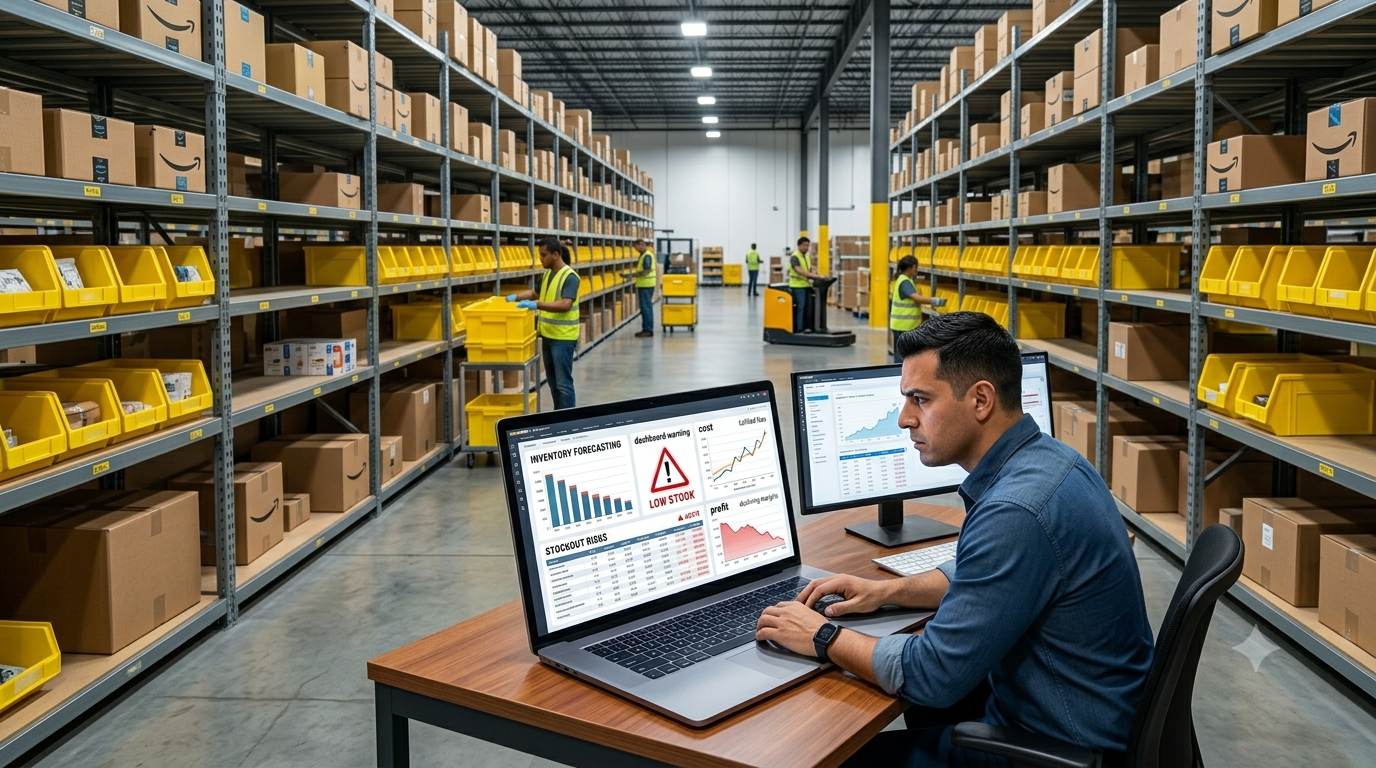
Running out of inventory has always been a challenge for Amazon sellers, but in 2026 the financial consequences are greater than ever. Beyond lost sales, stockouts can trigger additional fees, reduce product visibility, and create long-term damage to a brand's performance. As Amazon places more emphasis on inventory health, maintaining consistent stock levels has become critical for protecting profitability.
Lost Sales Opportunities
The most immediate consequence of a stockout is lost revenue. When a product becomes
unavailable, customers often purchase from competing sellers rather than waiting for inventory to return. Every day a product remains out of stock represents missed sales opportunities that may never be recovered.
For high-demand products, even a short inventory shortage can result in substantial revenue losses and reduced overall business growth.
Lower Organic Rankings
Amazon's search algorithm rewards products that consistently generate sales. When inventory runs out, sales velocity drops, signaling reduced performance to the algorithm.
As a result, products may lose organic ranking positions for important keywords. Once visibility declines, sellers often face an uphill battle to regain search placement, even after inventory is replenished. Reduced rankings can continue affecting sales long after the stockout has ended.
Additional Fee Exposure
Stock shortages can also increase operational costs. Sellers may become subject to Low-Inventory-Level Fees if inventory coverage remains below Amazon's preferred thresholds.
In addition, emergency replenishment efforts often require expedited manufacturing, air freight shipping, or other costly logistics solutions. These expenses can quickly erode profit margins and reduce overall campaign profitability.
Long-Term Profitability Impact
Stockouts can weaken customer trust and create a poor shopping experience. Customers who encounter unavailable products may switch to competitors and never return.
For brands that rely on repeat purchases, inventory shortages can be especially damaging. Losing loyal customers not only affects immediate sales but can also reduce customer lifetime value, making consistent inventory management a key factor in maintaining long-term profitability and sustainable growth.
Understanding Amazon Inventory Performance Thresholds
Amazon uses a variety of inventory performance metrics to evaluate how effectively sellers manage stock levels. These measurements help determine whether inventory is sufficient to meet customer demand while supporting efficient fulfillment operations. Understanding these thresholds is essential for sellers who want to avoid additional fees and maintain healthy inventory performance.
What Metrics Amazon Uses
Amazon evaluates inventory health using historical sales data, inventory coverage, and
replenishment patterns. Historical sales trends help predict future demand and determine how much inventory sellers should maintain.
Inventory coverage measures how long current stock is expected to last based on recent sales velocity. Amazon also monitors replenishment rates to assess whether sellers are consistently restocking products before inventory reaches critically low levels.
Together, these metrics help Amazon identify products that may be at risk of stockouts or insufficient inventory availability.
Inventory Performance Indicators
Several key indicators influence inventory performance. Sell-through rate measures how quickly inventory is sold relative to the amount stored in fulfillment centers. Higher sell-through rates generally indicate efficient inventory management.
In-stock rates are another important metric because they reflect how consistently products remain available for customers. Amazon also considers excess inventory levels, as carrying too much stock can create storage inefficiencies while carrying too little can increase stockout risk.
Common Threshold Mistakes
Many sellers rely too heavily on past sales data without accounting for changing market conditions.
While historical performance provides valuable insights, it may not accurately predict future demand.
Another common mistake is failing to prepare for seasonal demand spikes. Holidays, promotional events, and viral product trends can quickly increase sales volume, causing inventory shortages if forecasting models are not adjusted accordingly.
Inventory Forecasting Strategies to Avoid the Penalty
Effective inventory forecasting is one of the best ways to avoid Low-Inventory-Level Fees and maintain consistent product availability. By combining historical data with proactive planning, sellers can reduce stockout risks and improve overall inventory performance.
Analyze Historical Sales Trends
Historical sales data provides valuable insights into purchasing patterns and customer demand. Reviewing year-over-year performance helps sellers identify recurring trends and anticipate future inventory needs.
Analyzing sales velocity over different periods can also reveal patterns that may not be visible when reviewing short-term data alone.
Monitor Seasonality
Seasonal demand fluctuations can significantly impact inventory requirements. Peak shopping periods such as holidays, special events, and industry-specific sales cycles often create sudden increases in demand.
Planning inventory levels around these periods helps sellers avoid shortages while ensuring sufficient stock is available when sales opportunities arise.
Use Inventory Forecasting Tools
Amazon offers inventory planning reports that can help sellers monitor inventory health and
estimate future requirements. These reports provide useful information about inventory coverage, replenishment needs, and demand trends.
Many sellers also use third-party forecasting software that incorporates advanced analytics, historical data, and predictive modeling to improve forecasting accuracy.
Build Safety Stock Buffers
Maintaining safety stock provides an extra layer of protection against unexpected demand increases or supply chain disruptions. These inventory buffers help reduce the risk of stockouts when forecasts are inaccurate or delays occur.
Having additional inventory available can prevent costly emergency replenishment efforts and minimize exposure to inventory-related fees.
Improve Supplier Communication
Strong supplier relationships play a critical role in inventory management. Regular communication helps sellers stay informed about production schedules, raw material availability, and potential delays.
Improving coordination with suppliers can shorten replenishment cycles, support better production planning, and ensure inventory arrives before stock levels become critically low.
Best Practices for Maintaining Healthy Inventory Levels
Maintaining healthy inventory levels is essential for avoiding stockouts, minimizing fees, and ensuring products remain available for customers. A proactive inventory management strategy can help sellers improve profitability while reducing operational risks.
Set Reorder Points
Establishing reorder points helps ensure inventory is replenished before stock levels become critically low. Reorder thresholds should account for average sales velocity, supplier lead times, and potential demand fluctuations.
Track Inventory Weekly
Inventory levels should be reviewed regularly rather than only when products are close to running out. Weekly monitoring allows sellers to identify potential shortages early and take corrective action before inventory coverage falls below acceptable levels.
Review Demand Forecasts Monthly
Customer demand can change quickly due to seasonality, promotions, market trends, or external events. Reviewing forecasts on a monthly basis helps sellers adjust inventory plans and improve forecasting accuracy throughout the year.
Prepare for Supply Chain Disruptions
Supply chain delays remain a common challenge for many businesses. Manufacturing issues,
shipping delays, and transportation disruptions can impact replenishment schedules. Maintaining contingency plans and safety stock can help reduce these risks.
Balance Overstock and Understock Risks
Successful inventory management requires balancing product availability with storage efficiency.
Carrying too much inventory can increase storage costs, while carrying too little inventory can lead to stockouts and additional fees. The goal is to maintain enough stock to support demand without
creating unnecessary inventory expenses.
Common Inventory Management Mistakes Amazon Sellers Make
Many inventory-related problems stem from avoidable mistakes that gradually impact profitability and inventory performance.
Waiting Too Long to Reorder
Delaying replenishment decisions can quickly lead to inventory shortages, especially for products with strong sales velocity or long supplier lead times.
Ignoring Demand Trends
Sellers who fail to monitor changing demand patterns may underestimate future inventory requirements, increasing the risk of stockouts during peak sales periods.
Not Tracking Inventory Metrics
Without monitoring key performance indicators such as inventory coverage, sell-through rates, and in-stock percentages, it becomes difficult to identify potential problems before they affect sales.
Relying on Manual Forecasting
Manual forecasting methods often struggle to account for market changes, seasonal trends, and unexpected demand shifts. Data-driven forecasting tools typically provide more accurate inventory planning.
Focusing Only on Cost Reduction
Some sellers prioritize minimizing inventory costs at the expense of product availability. While reducing inventory investment may lower short-term expenses, it can increase stockout risks, trigger additional fees, and negatively impact long-term profitability.
The Future of Amazon Inventory Management
Amazon inventory management is becoming increasingly sophisticated as the company continues to prioritize product availability, fulfillment efficiency, and customer satisfaction. Sellers who adapt to
these changes will be better positioned to avoid unnecessary costs and maintain a competitive advantage.
Increased Automation
Automation is playing a larger role in inventory management. Advanced forecasting systems, automated replenishment recommendations, and predictive analytics are helping sellers make faster and more accurate inventory decisions.
More Data-Driven Inventory Planning
Inventory planning is becoming increasingly dependent on data rather than intuition. Sellers are using historical sales patterns, demand forecasting models, and real-time inventory insights to optimize stock levels and reduce forecasting errors.
Greater Emphasis on In-Stock Performance
As Amazon continues to focus on customer experience, maintaining strong in-stock rates will remain a key performance factor. Sellers who consistently keep products available are likely to benefit from improved operational efficiency and reduced exposure to inventory-related fees.
How Sellers Can Stay Ahead
To remain competitive, sellers should invest in forecasting tools, monitor inventory metrics regularly, strengthen supplier relationships, and build flexible inventory strategies. Proactive planning will
become increasingly important as Amazon continues to evolve its inventory performance standards.
Conclusion
Amazon's Low-Inventory-Level Fee has made inventory management a more important aspect of profitability in 2026. Sellers who maintain insufficient inventory levels may face additional costs that can significantly impact margins, especially when combined with existing fulfillment, storage, and advertising expenses.
Inventory performance now plays a critical role in maintaining product availability, supporting fulfillment efficiency, and protecting organic sales performance. Stockouts not only result in lost
revenue but can also reduce search visibility, weaken customer trust, and create long-term growth challenges.
The most effective way to avoid these risks is through accurate inventory forecasting and proactive planning. Analyzing historical sales data, monitoring seasonality, maintaining safety stock, and
improving supplier coordination can help sellers reduce stockout risks while avoiding unnecessary fees.
As Amazon continues to place greater emphasis on inventory health, successful sellers will be those who treat inventory management as a strategic priority rather than a reactive process. By focusing on data-driven forecasting, consistent inventory monitoring, and long-term planning, businesses can protect profit margins, improve operational efficiency, and build a more resilient Amazon growth
strategy for the years ahead.